Essential Medical Skills

IFMSA-Jo Program · SCOME

About the Program

Essential Medical Skills provides learning opportunities through educational activities, competency-based training and workshops with academic quality assurance.

Clinical-skills education is not always structured consistently across medical faculties in Jordan, leaving students dependent on their own opportunities for patient contact or external courses. This program helps address gaps in essential clinical competence for international examinations, internships and everyday hospital practice.
Target Population

  • Medical students, through accessible opportunities to acquire and practise essential skills
  • Patients, who benefit from safer and more effective care
  • The public health system, through better-prepared future physicians

Focus Areas

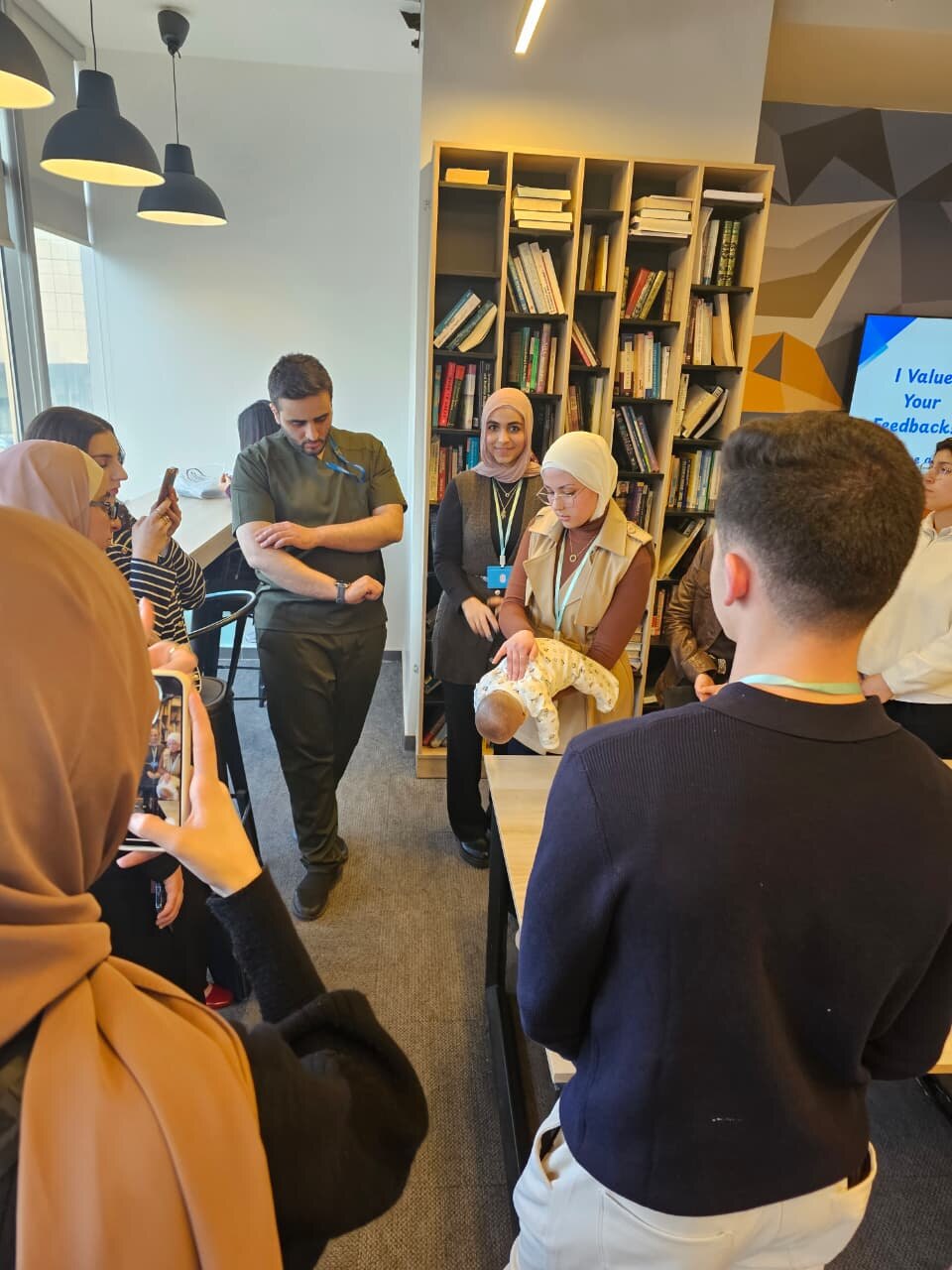
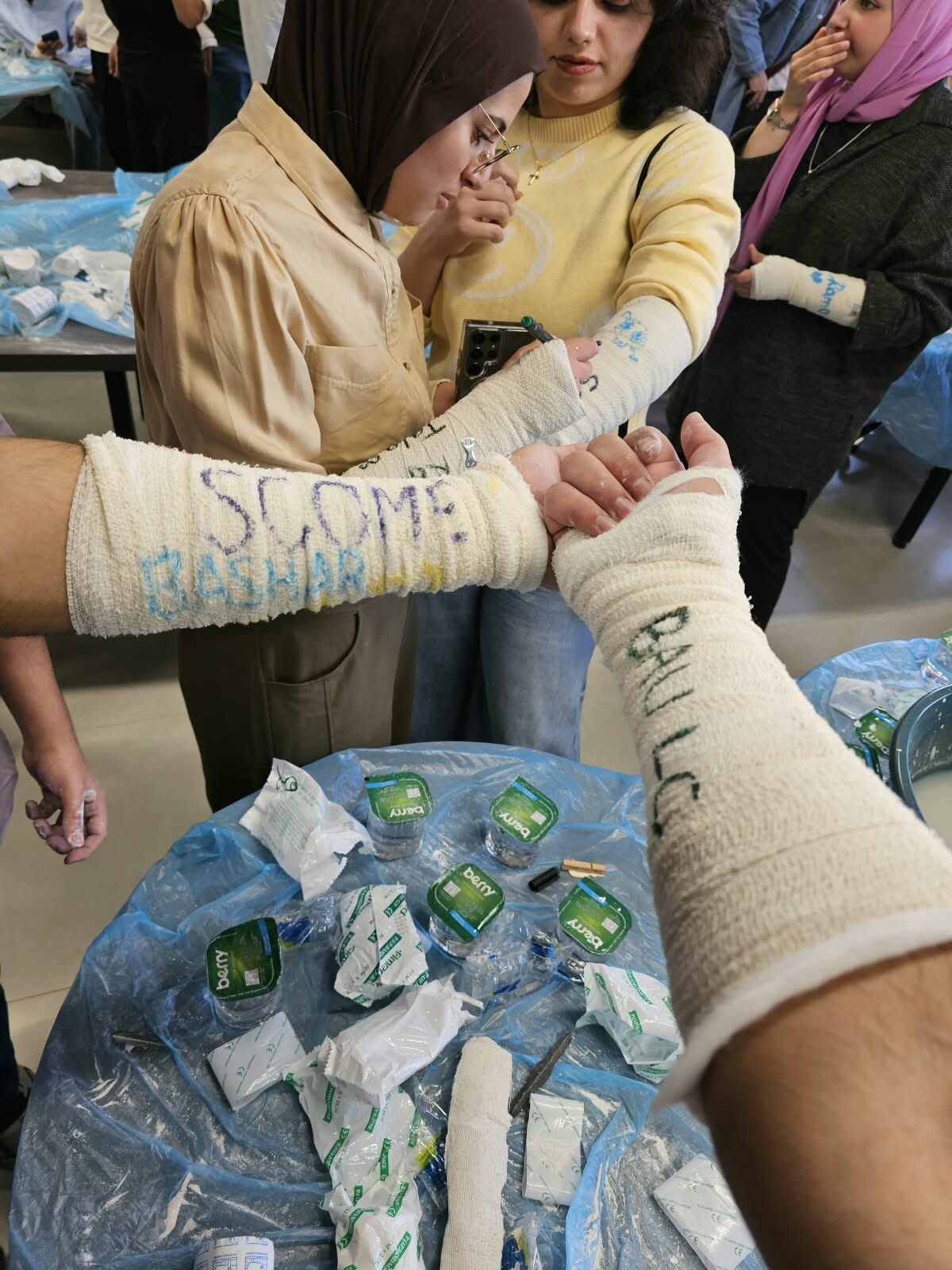
  • First aid, including wound care, minor burns, bandaging, basic medicine use, eye debris and other immediate care
  • Cardiopulmonary resuscitation and Basic Life Support
  • Suturing
  • Competency-based learning, practice and assessment

Objectives

  • Provide opportunities to learn and practise medical skills through non-formal education, competency-based training and workshops.
  • Assure workshop and training quality by evaluating the quantity and quality of skills acquired using appropriate assessment methods.
  • Provide the competencies and knowledge required for effective emergency response through regular Basic and Advanced Life Support workshops and emergency-care training.

IFMSA-Jo Program Activities

Essential Medical Skills Projects

01

Project On Call

Jordanian medical education can offer limited applied clinical training because student numbers often exceed the available practical opportunities. A 2017 cross-sectional study at the University of Jordan School of Medicine reported that more than half of surveyed students were not confident performing clinical skills.

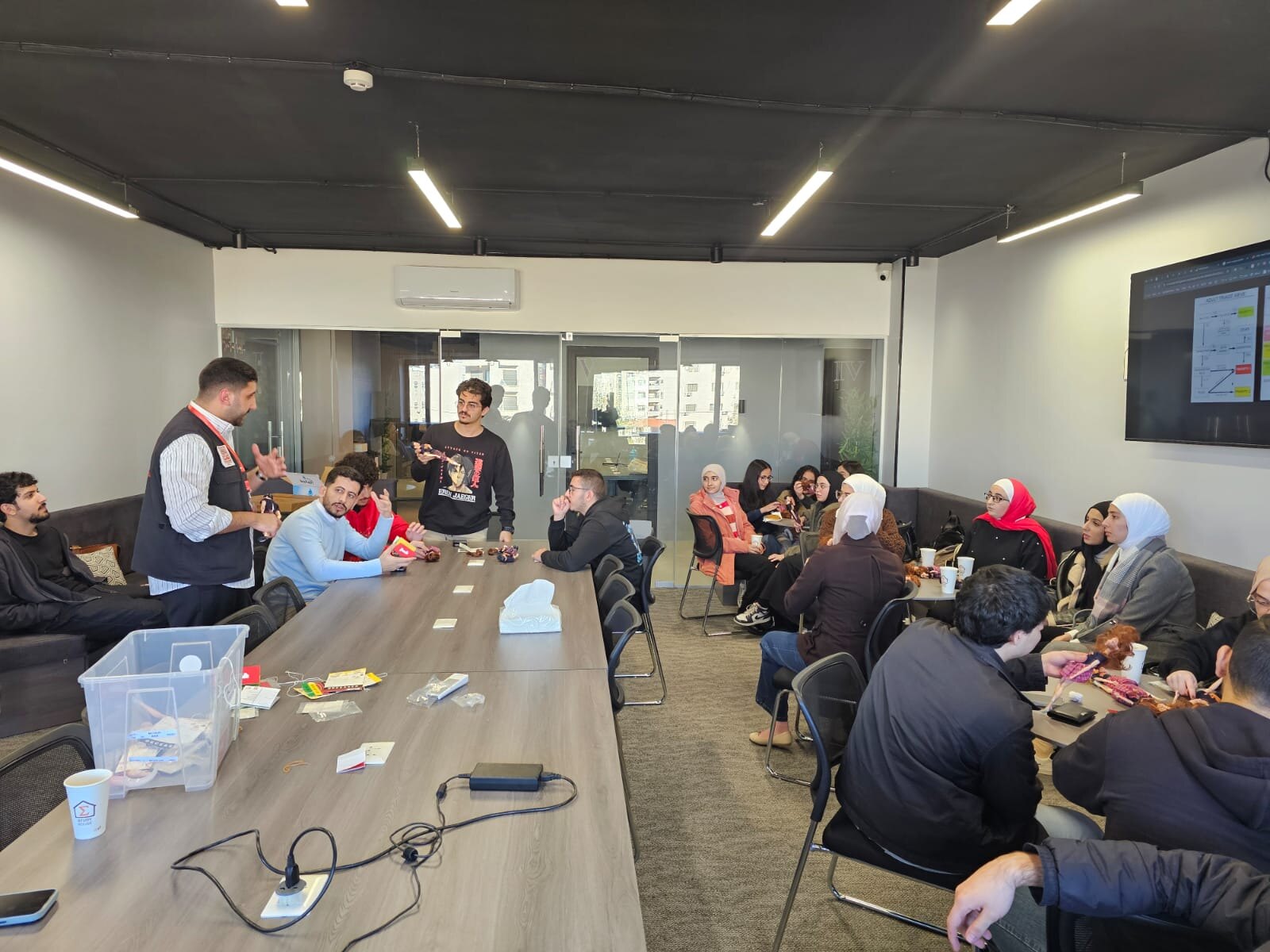
On Call helps close that gap through practical steps ranging from live triage sessions with paramedics and casting to supervised exposure to emergency-department work, creating more opportunities for medical students to build clinical confidence.

02

Hands on Med

Hands on Med gives medical students meaningful training in essential skills, including dedicated suturing sessions that teach the technique and provide structured opportunities to practise and improve.