Vision
Medical students are meaningfully engaged as full stakeholders in their medical-education systems, helping create high-quality education and attain the competencies required to meet community health needs.
Medical Education

The Standing Committee on Medical Education has been part of IFMSA since the Federation's foundation in 1951. It began as a forum for students interested in the many dimensions of medical education and has grown into a global platform for education, advocacy and capacity building.
SCOME recognizes medical students as essential stakeholders in the creation, development and implementation of medical-education systems. It equips students to contribute to decision-making and to pursue sustainable improvements for learners, future patients and the communities their schools serve.
Students working to improve medical education and become active partners in their learning.
Medical students are meaningfully engaged as full stakeholders in their medical-education systems, helping create high-quality education and attain the competencies required to meet community health needs.
To create a shared environment in which medical students contribute to medical education through student-led education, research, capacity development, meaningful youth engagement and advocacy at local, national, regional and international levels.
Medical education must evolve with changes in science, healthcare systems and community needs so graduates can meet the standards of the profession and serve their populations effectively.
Students are directly exposed to curricula and should participate meaningfully in reviewing, designing and improving what and how future physicians learn.
SCOME promotes educator development, modern teaching approaches, fair assessment and learning environments that help every student achieve the required competencies.
Student engagement, institutional accountability and evidence-informed standards are essential to improving educational quality.
Medical schools should align education, research and service with the priority health needs of the communities they have a mandate to serve.
IFMSA-Jo Activities
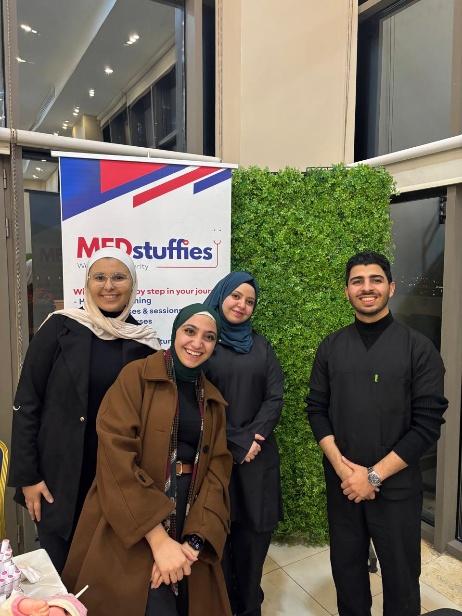
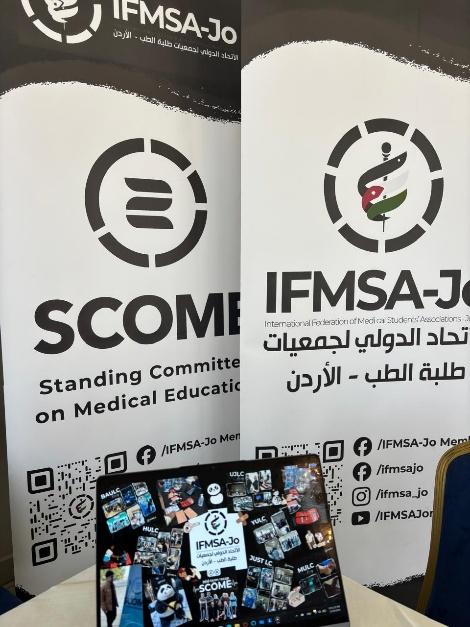
MedLink was the first external event invitation received by IFMSA-Jo with SCOME as the main participating committee. The team hosted an interactive booth to introduce visitors to IFMSA-Jo, its committees and the opportunities available to medical students.
Fifty participants visited the booth, met the team and learned more about the organization’s work.
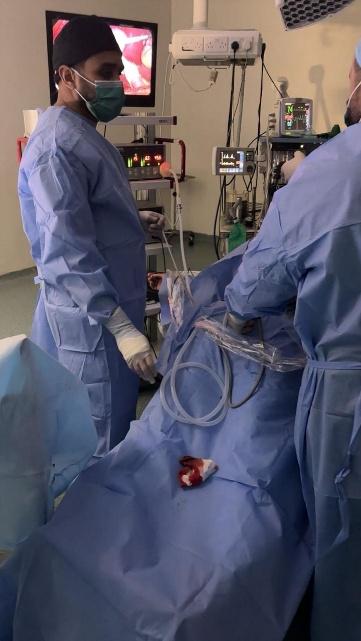
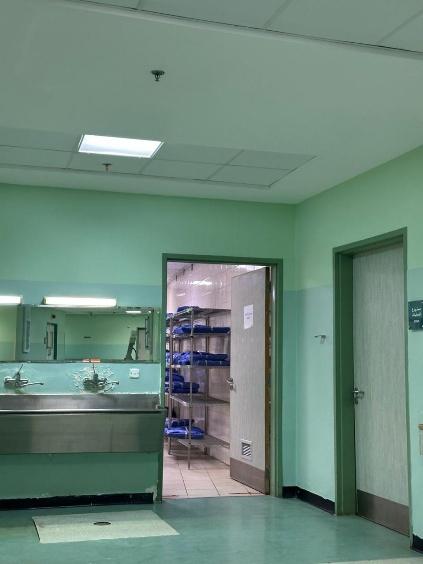
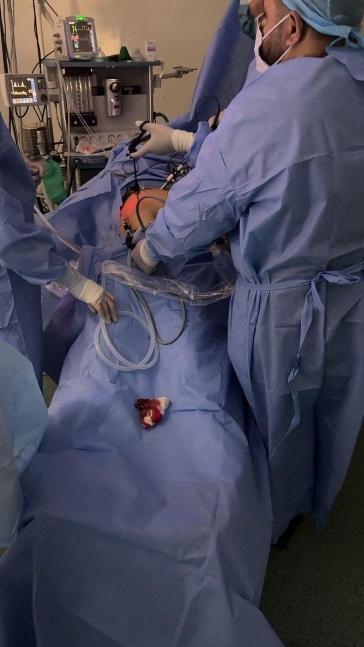
Surgical Shadow with Scrubs-In gives medical students the opportunity to observe real operating procedures and the preparation surrounding them, strengthening their understanding of surgical principles and hospital workflow.
The call received 66 applications. Because only one observer can attend each operating day, placements were scheduled as limited weekly opportunities to protect safety and preserve the quality of the experience.
TriAid trains medical students according to their academic stage so every group receives content appropriate to its knowledge and clinical exposure. The project also extends essential-skills learning to the wider community.
The current phase is a social-media awareness campaign preparing participants for the project’s practical steps and expanding its capacity before implementation.