Vision
Medical students attain the knowledge and skills required to contribute fully to healthier communities, both as students and as future healthcare professionals.
Public Health
Medical students formed the Standing Committee on Students' Health in 1952 to participate in preventing health problems and shaping health-related policies. As its work expanded, it became the Standing Committee on Health in 1963 and the Standing Committee on Public Health in 1983.
Across decades, SCOPH members have developed community-based projects at local, national and international levels. The committee brings students together to learn, build skills, cooperate and act on public-health priorities.
Public-health action addressing prevention, health promotion and the needs of communities.
Medical students attain the knowledge and skills required to contribute fully to healthier communities, both as students and as future healthcare professionals.
To develop medical students worldwide in public health through knowledge exchange, project management, community-based learning, capacity building, advocacy, exchange placements and access to external learning opportunities.
Community education, prevention and healthy-lifestyle initiatives address communicable and non-communicable disease, risk factors and environmental health.
Each IFMSA region identifies priority issues that reflect its context; antimicrobial resistance is a major priority within the Eastern Mediterranean Region.
The conditions in which people are born, grow, learn, work, live and age—as well as wider policies and systems—shape health and health inequities.
SCOPH advocates for accessible, affordable and high-quality healthcare so that progress toward health for all includes every community.
Decisions in areas such as food, migration, urban planning, tobacco and climate affect health; decision-makers should consider those impacts across sectors.
Students explore the connected local, national and international dimensions of population health, health systems and health emergencies.
IFMSA-Jo Activities
A public-health project promoting healthier lifestyles and preventing non-communicable diseases among university students and the wider community. Through healthy cooking, physical activity, anti-smoking campaigns, social-media awareness and creative public-space activities, it turns health awareness into practical, sustainable lifestyle changes.
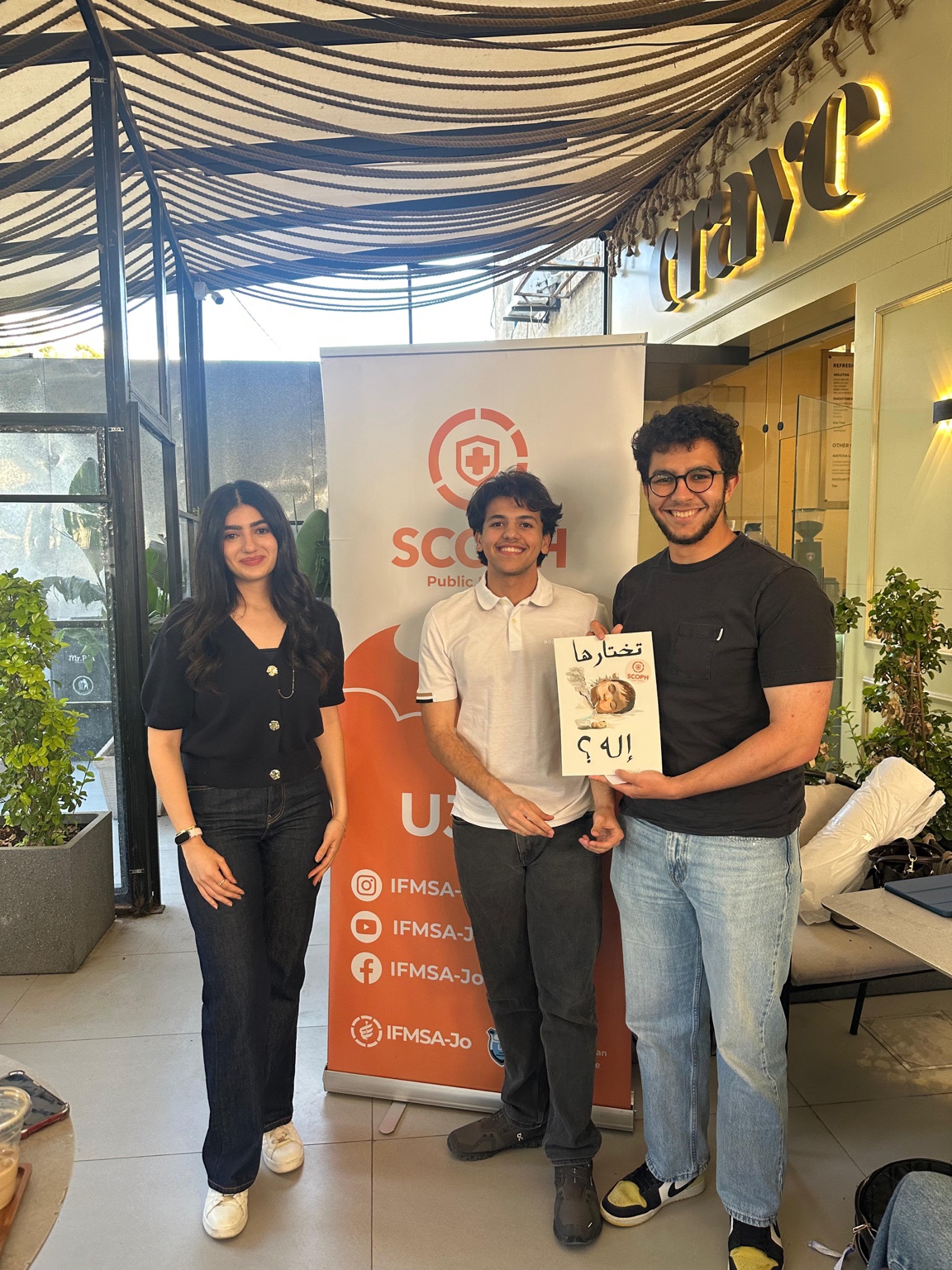
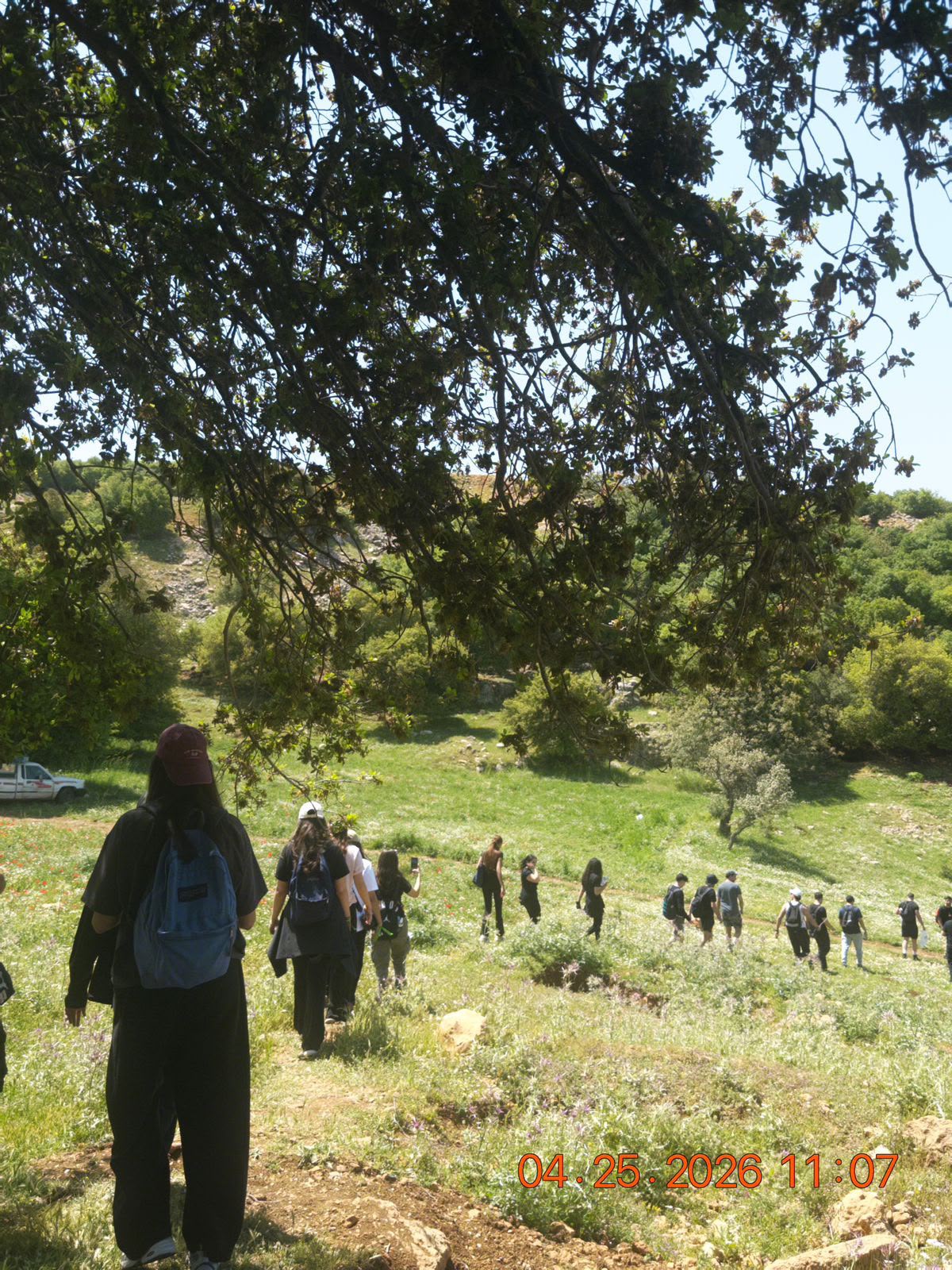
OXYRUN organizes sports events that promote physical activity and healthy lifestyles. It encourages regular exercise while raising awareness of the role physical activity plays in preventing chronic disease and improving overall wellbeing.
Unmasking NCDs raises awareness of diabetes, hypertension, cardiovascular disease and cancer. It focuses on prevention and early detection through campaigns and educational activities, encouraging people to make healthier choices and protect their health proactively.
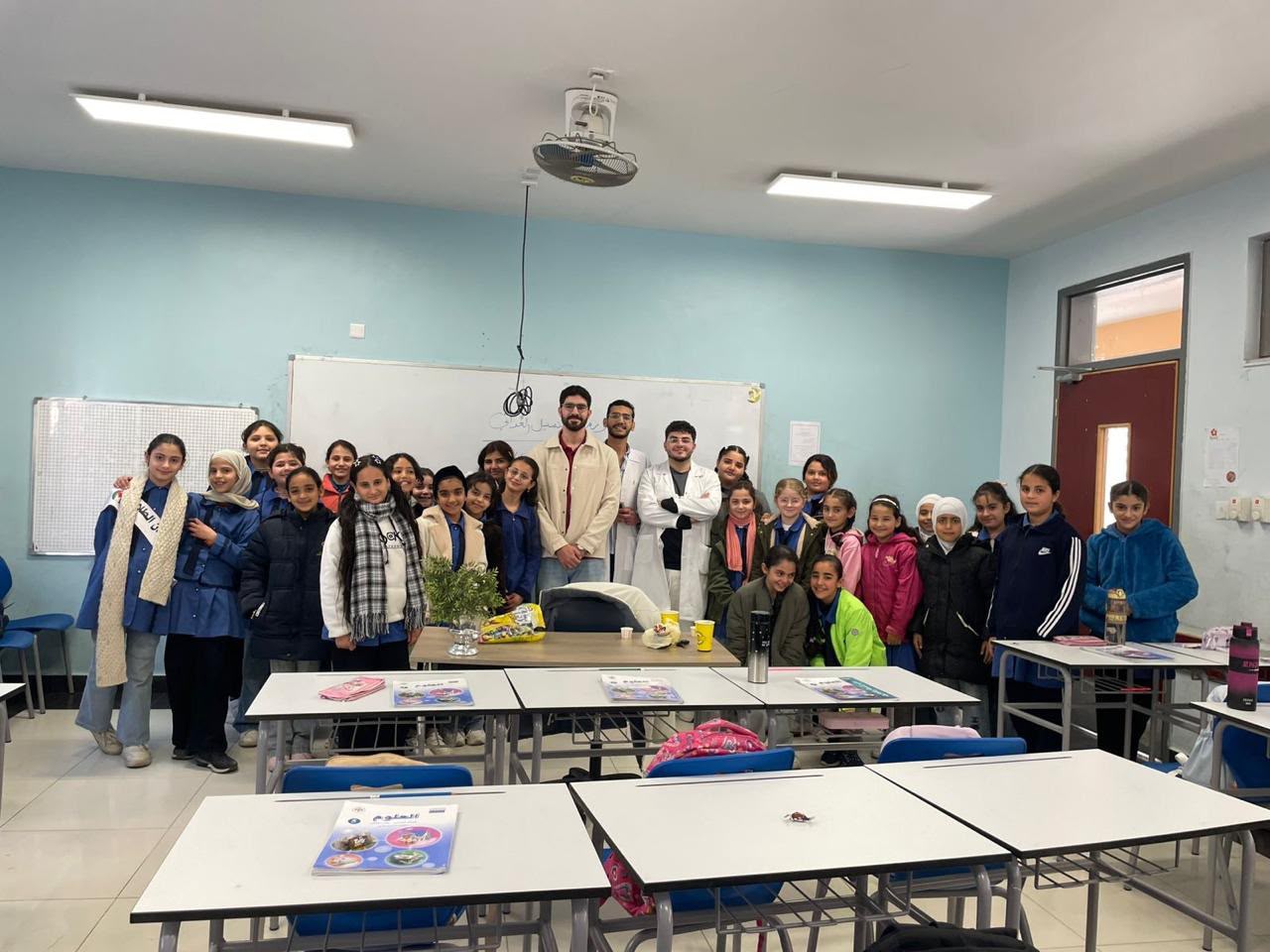
Awareness Journey is a three-step public-health project centered on important health-awareness days. Its steps have included an open discussion with a cancer survivor, attendance at a kidney-transplant surgery to understand organ donation and transplantation, and a year-round social-media campaign sharing educational content.
Gift for Life raises awareness of organ donation, reduces stigma and corrects misconceptions through social-media posts, videos and discussion. It also explains the procedures required to become an official donor in Jordan, helping people make informed choices that can save lives.
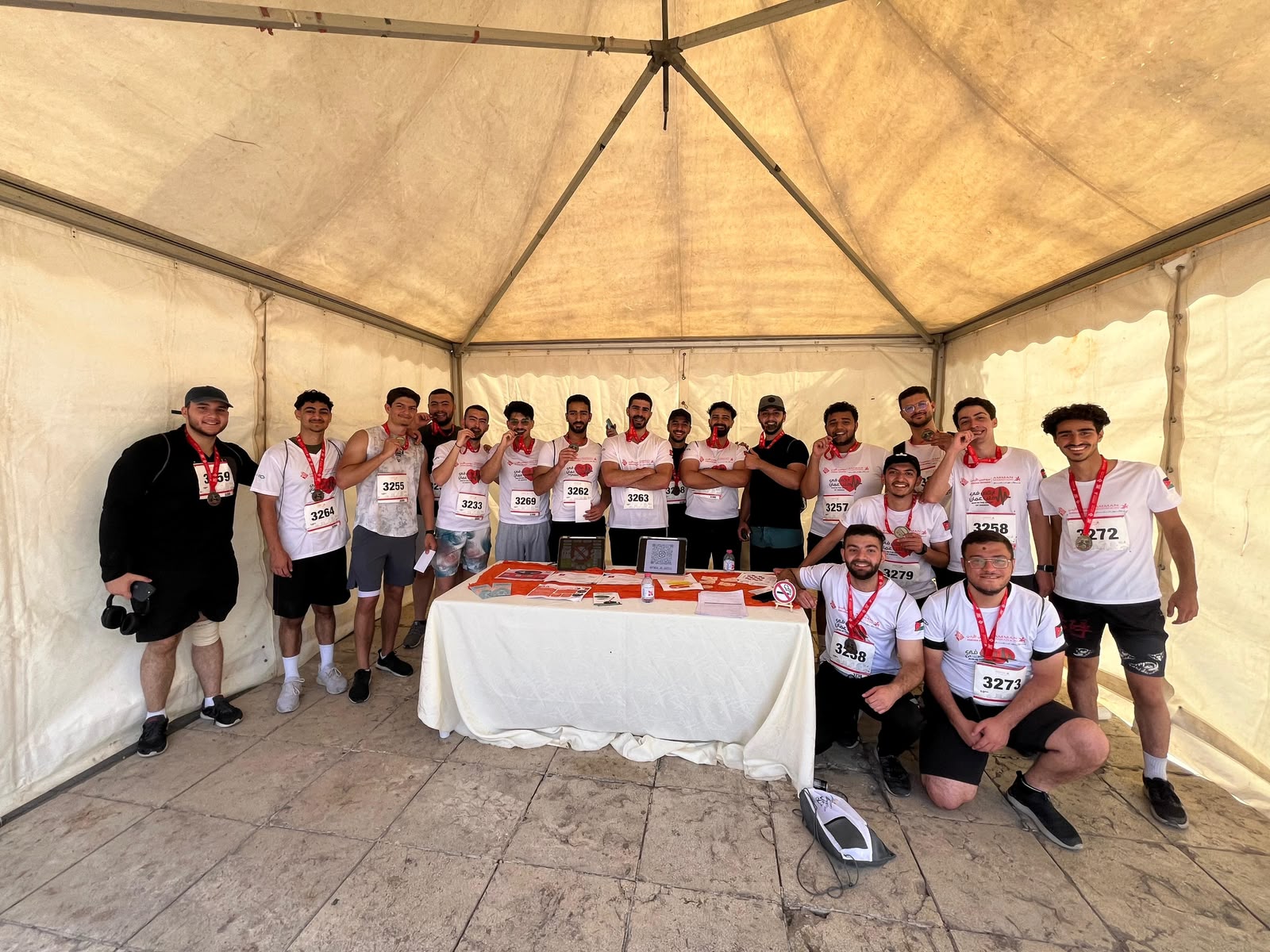
Breathe for Life combines anti-tobacco awareness with healthy-lifestyle promotion through marathon activities. It highlights the harmful effects of tobacco while encouraging physical activity, respiratory health and overall wellbeing.